Why Managed Print Services Matter More Than Ever
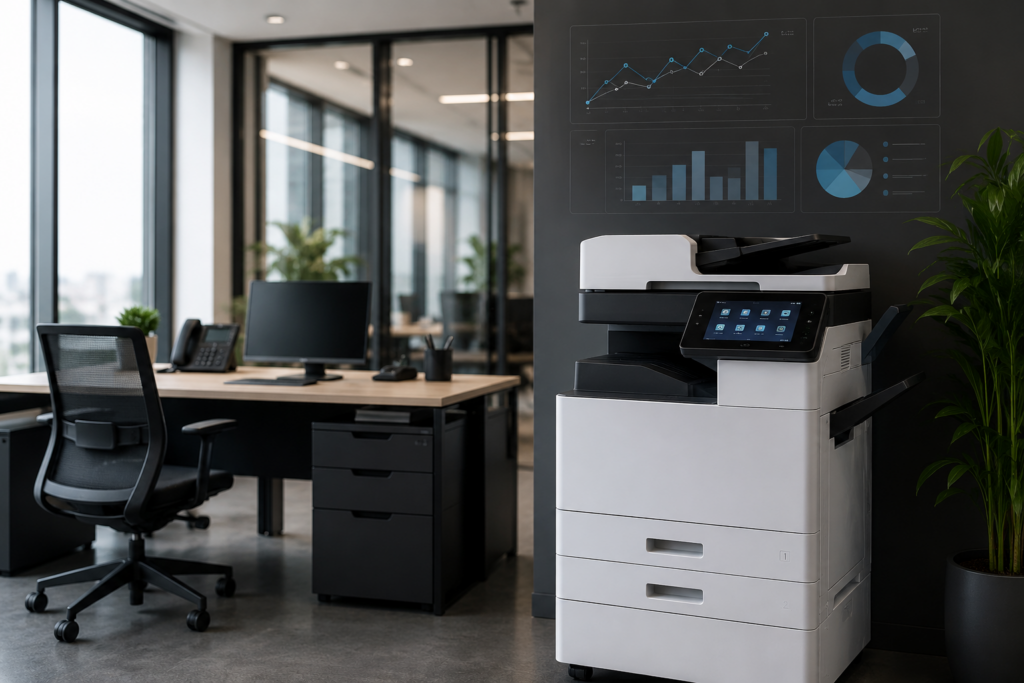
Managed Print Services (MPS) have evolved from simply managing printers and toner into a strategic business solution. For organisations looking to control costs, improve efficiency and strengthen document security, having the right print environment has never been more important.
Why Businesses Are Rethinking Their Print Environment
As businesses become more focused on efficiency and cost control, every part of the workplace needs to work harder. Printing is no exception.
What may seem like a collection of small, everyday expenses can become a substantial operational cost when equipment, consumables, maintenance and employee time are considered together. Without a clear view of how devices are being used, organisations can also struggle to identify inefficiencies and plan for future requirements.
This is where a structured approach to print management can make a meaningful difference. By assessing the print environment as a whole, businesses can make informed decisions about their equipment, usage and ongoing support.
The Real Cost of Unmanaged Printing
The cost of printing goes far beyond the price of paper and toner. Businesses also need to consider equipment, maintenance, electricity, technical support, downtime and the time employees spend dealing with printing-related problems.
Without proper monitoring, it can be difficult to determine where money is being spent or identify unnecessary printing. A machine that appears inexpensive to operate may become costly over time because of frequent service requirements, inefficient consumable usage or low utilisation.
A managed approach provides the information needed to make better decisions about equipment, usage and ongoing costs.
What Managed Print Services Actually Provide
Managed Print Services provide a structured way to oversee an organisation’s printing environment from end to end. Rather than dealing with each printer, consumable order or service issue separately, businesses have a centralised approach to managing their print requirements.
This can include monitoring device usage, managing consumables, scheduling preventative maintenance, responding to service requirements and reviewing the performance of the fleet over time.
The objective is not simply to keep printers running. It is to create a print environment that is reliable, measurable and aligned with the way the business actually operates.
Better Control Over Printing Costs
One of the biggest advantages of Managed Print Services is improved visibility into print-related spending. Instead of treating printing as a collection of separate expenses, businesses can assess the complete cost of operating their print environment.
Usage data can help identify which devices are heavily used, which are underutilised and where unnecessary printing may be taking place. This information makes it easier to allocate resources appropriately and identify opportunities to reduce waste.
A well-managed print environment also makes budgeting more predictable. With the right service and support structure in place, businesses can plan for their ongoing printing requirements rather than constantly dealing with unexpected costs.
Improving Productivity and Reducing Downtime
Printing problems can have a surprisingly large effect on productivity. When a device stops working, toner runs out unexpectedly or employees are unsure where to obtain support, time is lost dealing with issues that should not have become interruptions in the first place.
Managed Print Services take a proactive approach to these challenges. Monitoring and regular maintenance can help identify potential problems before they result in significant downtime, while structured technical support ensures that issues are dealt with efficiently.
The result is a more reliable print environment that allows employees to concentrate on their actual responsibilities rather than troubleshooting printers.
Strengthening Document Security
Printing is often overlooked when businesses consider information security, but printed documents can contain sensitive and confidential information. Uncontrolled printing can make it difficult to know who is accessing documents, where they are being printed or what happens to them afterwards.
Managed Print Services can help businesses introduce greater control over their print environment. User authentication, secure printing and appropriate access controls can reduce the risk of sensitive documents being left unattended or printed unnecessarily.
A more controlled print environment also provides greater visibility into printing activity, helping organisations identify potential risks and establish policies that support their wider information security requirements.
Making Printing More Sustainable
Businesses are increasingly looking for ways to reduce waste and operate more responsibly. Printing can contribute to unnecessary paper consumption, excessive toner usage and energy costs when the print environment is not properly managed.
Managed Print Services can help organisations identify where printing can be reduced or made more efficient. Usage monitoring can highlight unnecessary printing, while appropriate device selection and print policies can help reduce waste without affecting productivity.
A more efficient print environment can therefore support both operational objectives and broader sustainability initiatives, helping businesses make better use of resources while maintaining the services employees need.
A More Strategic Approach to Print Management
Managed Print Services are not simply about maintaining printers. They provide businesses with a more strategic way to manage how documents are produced, accessed and supported across the organisation.
By combining monitoring, technical support, consumable management and regular review of the print environment, businesses can make informed decisions based on actual usage and operational requirements.
This approach allows the print environment to evolve as the business changes, helping organisations avoid unnecessary expenditure while ensuring that employees have access to the right equipment and support.
What a Well-Managed Print Environment Looks Like
A well-managed print environment starts with understanding how printing supports the day-to-day operation of the business. Devices should be positioned according to actual user requirements, with the right combination of functionality, capacity and location.
Effective management also means keeping track of device performance, consumable levels, service requirements and usage patterns. This allows potential issues to be addressed before they become significant disruptions and helps ensure that equipment continues to meet changing business needs.
Regular review is equally important. As departments, workloads and business requirements change, the print environment should be adjusted accordingly rather than allowing inefficient or unnecessary equipment to remain in place.
The result is a print environment that is easier to manage, more predictable to operate and better aligned with the organisation’s wider business objectives.
Why Proactive Management Makes a Difference
Proactive print management is about identifying potential problems before they affect the people and processes that depend on printing. Instead of waiting for equipment to fail or consumables to run out, businesses can use monitoring and regular service processes to stay ahead of routine requirements.
This approach can also help identify patterns that may otherwise go unnoticed. Changes in print volumes, recurring service issues or devices that are no longer being used effectively can all provide useful information when reviewing the print environment.
By addressing these issues early, organisations can reduce avoidable disruption and make better use of their equipment and resources. Proactive management therefore turns printing from something that is simply maintained into an environment that is actively monitored and improved.
The goal is not to eliminate printing. It is to make sure that the printing a business does is reliable, appropriate and managed in a way that supports the organisation.
Choosing the Right Print Environment
Choosing the right print environment is not simply a matter of selecting the latest or most feature-rich equipment. Businesses need to consider how documents are produced, who uses the equipment, where devices are located and how much printing each area actually requires.
A properly planned environment balances performance, functionality and cost. Some users may require high-volume multifunction devices, while others may only need basic desktop printing. Understanding these differences can prevent businesses from investing in equipment that is either unsuitable for the workload or unnecessarily expensive.
The wider environment should also be considered. Connectivity, security, document workflows, consumable requirements and technical support all play a role in determining whether a print solution will remain effective over time.
By matching equipment and services to actual business requirements, organisations can create a print environment that delivers the right level of capability without unnecessary complexity or expense.
The Role of Monitoring and Reporting
Monitoring and reporting provide the visibility businesses need to understand what is happening across their print environment. Instead of relying on assumptions, organisations can use actual usage and performance information to identify trends, recurring issues and areas that may require attention.
Regular monitoring can help track print volumes, device utilisation, consumable requirements and service activity. This information makes it easier to identify devices that are being overused, underutilised or generating unnecessary costs.
Reporting also supports better decision-making over time. When businesses have a clear record of their print activity, they can assess whether equipment is still appropriate, identify opportunities for improvement and plan for future requirements with greater confidence.
Effective monitoring is therefore not simply about collecting data. It is about turning that information into practical insight that helps businesses manage their print environment more efficiently.
Managing Consumables More Efficiently
Effective consumable management is an important part of a well-managed print environment. Running out of toner or other essential supplies can interrupt productivity, while holding excessive stock can tie up money and create unnecessary storage requirements.
Managed Print Services can provide greater visibility into consumable usage and help organisations plan replenishment based on actual device requirements. Monitoring can identify when supplies are approaching replacement levels, allowing them to be ordered before they become an operational problem.
This approach also helps reduce unnecessary emergency orders and can improve stock management across multiple locations. Instead of relying on users to report that a device needs attention, businesses can take a more proactive approach to keeping their print environment operational.
The result is a more predictable consumable supply process, fewer avoidable interruptions and better control over the ongoing cost of printing.
Improving Fleet Performance and Equipment Utilisation
A managed print environment should be reviewed regularly to ensure that equipment continues to perform effectively and remains appropriate for the workload it supports. Devices that are consistently overloaded may affect productivity, while equipment that is rarely used can represent unnecessary expenditure.
Usage and service information can help businesses identify these patterns and make better decisions about their fleet. This may involve relocating equipment, adjusting device configurations, replacing unsuitable machines or consolidating devices where appropriate.
Regular fleet reviews also provide an opportunity to consider changing business requirements. As teams grow, workloads change or offices are restructured, the print environment should adapt accordingly.
By managing the fleet based on actual usage and performance, organisations can improve equipment utilisation, reduce unnecessary costs and ensure that their print infrastructure continues to support the business effectively.
Reducing the Administrative Burden
Managing printers across an organisation can create a significant amount of administrative work. Ordering consumables, arranging service, tracking devices, reviewing usage and responding to user problems can all take time away from other business priorities.
Managed Print Services provide a centralised approach to these activities, reducing the need for individual departments or employees to manage printing issues themselves. Service requirements, consumable needs and device information can be managed as part of an organised support process.
This can make responsibilities clearer and reduce the amount of time spent coordinating routine print-related tasks. It also gives businesses a more consistent way to manage their print environment across different departments or locations.
By reducing unnecessary administration, organisations can allow their employees to focus more of their time on the work that directly supports the business.
Creating a More Predictable Print Environment
A well-managed print environment gives businesses greater predictability over how printing is used, supported and maintained. Instead of responding to problems as they arise, organisations can establish processes that address routine requirements before they become disruptions.
With appropriate monitoring, service support and consumable management in place, businesses can better anticipate maintenance requirements, identify changes in usage and plan for future equipment needs.
This greater level of control can make printing easier to budget for and easier to manage across the organisation. It also provides a clearer understanding of how the print environment is performing and where improvements may be needed.
The result is a more stable and predictable printing environment that supports day-to-day operations while giving the business greater control over its resources and costs.
Making Managed Print Services Work for Your Business
Every organisation has different printing requirements, which means a Managed Print Services approach should be based on the way the business actually operates. The right solution may involve a combination of devices, monitoring, consumable management, technical support and ongoing review.
The objective is not simply to introduce more equipment or impose unnecessary controls. It is to create a print environment that provides employees with the tools they need while giving management better visibility and control over costs, performance and security.
A properly managed environment can also adapt as the organisation changes. New offices, changing workloads, staff growth and evolving technology can all affect printing requirements, making regular assessment an important part of long-term print management.
With the right approach, Managed Print Services can become an ongoing business solution rather than simply a service for maintaining printers.
The Business Value of Managed Print Services
Managed Print Services can provide value beyond the day-to-day management of printing. By bringing equipment, usage, consumables and support into a more structured environment, businesses can gain better visibility over how printing contributes to their overall operating costs.
A managed approach can also help organisations make better use of existing equipment and identify where changes may improve efficiency. Rather than treating each printer or department separately, the print environment can be considered as a whole, allowing decisions to be based on actual requirements and usage.
This can help businesses control unnecessary expenditure while maintaining the printing capabilities employees need to perform their roles effectively.
Over time, the value of Managed Print Services comes from creating a print environment that is better understood, better supported and more closely aligned with the way the organisation operates.
Supporting Better Control and Document Security
Printing is also closely connected to how information is handled within an organisation. A well-managed print environment can help businesses maintain greater control over where documents are produced, who has access to printing and how sensitive information is handled.
Appropriate device placement, user access controls and secure printing practices can help reduce the risk of confidential documents being left unattended or printed unnecessarily. These considerations become increasingly important as businesses manage more information across multiple departments and locations.
Managed Print Services can help organisations identify where additional controls may be appropriate and ensure that printing processes support wider document management and security requirements.
The objective is not to make printing unnecessarily complicated. It is to create a practical environment where employees can print when they need to, while the organisation maintains appropriate control over its equipment, information and resources.
Adapting Print Services as Your Business Changes
Businesses rarely remain static. Changes in staffing, office locations, workflows, technology and document requirements can all affect how printing is used.
A print environment that worked well when it was first established may become less suitable as the organisation develops. Devices may become underused, workloads may shift between departments, or additional capacity may be required in areas experiencing growth.
Managed Print Services provide an opportunity to review these changes and adjust the print environment accordingly. Equipment, support requirements and consumable planning can be considered against current usage rather than relying on decisions made in the past.
This ongoing approach helps ensure that the print environment remains relevant as the business changes, providing the right level of capability without allowing unnecessary equipment, costs or complexity to build up.
A More Efficient Approach to Everyday Printing
For many organisations, printing is a routine part of everyday work. The challenge is ensuring that the print environment supports these activities without creating unnecessary cost, administration or disruption.
Managed Print Services bring the different elements of the print environment together, including equipment, usage, consumables, maintenance and technical support. This creates a more coordinated approach than dealing with individual printing requirements as they arise.
With better visibility and ongoing management, businesses can identify opportunities to improve efficiency while maintaining the equipment and services employees rely on. Small improvements in device placement, usage, consumable planning or service processes can make a meaningful difference over time.
The result is a print environment that works more effectively in the background, allowing employees to focus on their responsibilities while the organisation maintains greater control over its printing infrastructure.
Planning for Long-Term Print Efficiency
Managed Print Services should not be viewed as a once-off exercise. The effectiveness of a print environment depends on how well it continues to respond to the organisation’s changing requirements over time.
Regular reviews of equipment, usage, service activity and consumable requirements can help identify opportunities for improvement before they become larger operational issues. This allows businesses to make adjustments based on actual information rather than waiting for problems to occur.
Long-term efficiency may involve replacing ageing equipment, changing device locations, adjusting support requirements or identifying areas where printing can be reduced. These decisions can be made as part of an ongoing management process rather than through reactive changes.
By maintaining a regular focus on performance and requirements, organisations can keep their print environment efficient, reliable and aligned with their broader operational objectives.
A Managed Print Approach Built Around Your Business
Managed Print Services are most effective when they are built around the way an organisation actually works. Every business has different workloads, departments, locations and printing requirements, so a managed approach should be practical, flexible and aligned with those needs.
At Gecko Technical Services, we focus on understanding the existing print environment before recommending changes. This allows equipment, usage, consumables, service requirements and ongoing support to be considered as part of one coordinated solution.
The goal is not simply to manage printers. It is to create a print environment that is reliable, efficient and easier to control, while giving the business the visibility it needs to make informed decisions as requirements change.
With the right combination of equipment, monitoring, support and ongoing management, Managed Print Services can become a valuable part of the organisation’s wider technology and operational strategy.
Ready to Take Control of Your Print Environment?
A well-managed print environment can help your organisation improve efficiency, control costs and reduce the day-to-day administration associated with printing.
Gecko Technical Services can assess your current print environment and help identify practical opportunities to improve equipment utilisation, consumable management, service support and overall print efficiency.
Whether you are looking to improve an existing fleet or establish a more structured Managed Print Services environment, we can help you develop an approach suited to your business requirements.
Talk to us about your Managed Print Services requirements and find out how a more managed approach can work for your organisation.